What is a Unified Commerce Platform for Photo Retail?
A Unified Commerce Platform is a centralized software solution that connects your physical store, ecommerce site, payments, and photo services into a single system. Unlike fragmented tools, it ensures real-time data synchronization across all channels, providing a seamless experience for customers and streamlined operations for business owners in the photo industry.
Why is unified commerce essential for modern camera stores?
In the rapidly evolving landscape of 2026, the retail environment for camera stores has moved far beyond simple over-the-counter transactions. Customers today expect a level of fluidity that older, siloed systems simply cannot provide. When a photographer searches for a specific mirrorless lens on their smartphone at midnight, they expect the inventory they see online to be a mirror image of what is sitting on your shelf in Montreal or elsewhere. This is the fundamental promise of a Unified Commerce Platform .
For many years, retailers operated in an "omnichannel" fashion, which was a step in the right direction but often resulted in a "Frankenstein" tech stack. You might have had one software for your retail point-of-sale, another for your website, a separate portal for photo printing, and yet another for processing credit cards. The problem? These systems rarely talked to each other in real-time. This lack of communication leads to "ghost inventory," where a customer buys the last unit online while a clerk is selling it in-person, resulting in a frustrated buyer and a cancelled order.
By adopting a unified approach, you eliminate the friction caused by these digital barriers. You gain a single source of truth for your entire business. Whether you are managing high-end gear sales or complex lab services, having your data live in one place allows you to focus on growth rather than troubleshooting technical discrepancies. It’s about creating a business that is agile, responsive, and ultimately more profitable.

The Core Components of an Integrated Retail Strategy
To truly understand the power of a Unified Commerce Platform, we need to break down the pillars that support it. It isn't just about having a website; it’s about how that website interacts with every other facet of your operation. For camera retailers, this involves handling incredibly detailed product specifications and a mix of hardware and service-based revenue.
- Synchronized Inventory Management: Your retail floor and digital storefront share the same stock pool, updated instantly.
- Managed Product Data: High-quality images and specs for thousands of SKUs are handled automatically via Managed Product Data .
- Centralized Customer Profiles: A customer who prints photos in-store should be recognized when they buy a tripod online.
- Service Integration: Photo ordering, lab workflows, and equipment rentals all flow through the same management interface.
- Automated Marketing: Using data from all touchpoints to send relevant offers to your community.
When these components work in harmony, the operational load on your staff decreases significantly. Instead of manually updating spreadsheets or checking the backroom every time a web order comes in, your team can spend their time providing expert advice—which is the primary reason people shop at specialized camera stores in the first place. This integration is particularly vital for handling Managed Manufacturer Instant Rebates , where accuracy and timing are critical for maintaining margins.
How does connecting payments and inventory improve efficiency?
Efficiency in a photo business is often measured by how little time is wasted on administrative tasks. One of the biggest time-sinks in traditional retail is payment reconciliation. If your credit card processor isn't integrated with your POS and your online shop, you’re left matching bank statements to sales reports manually at the end of every week. A Unified Commerce Platform solves this by embedding dakisPay directly into the transaction flow.
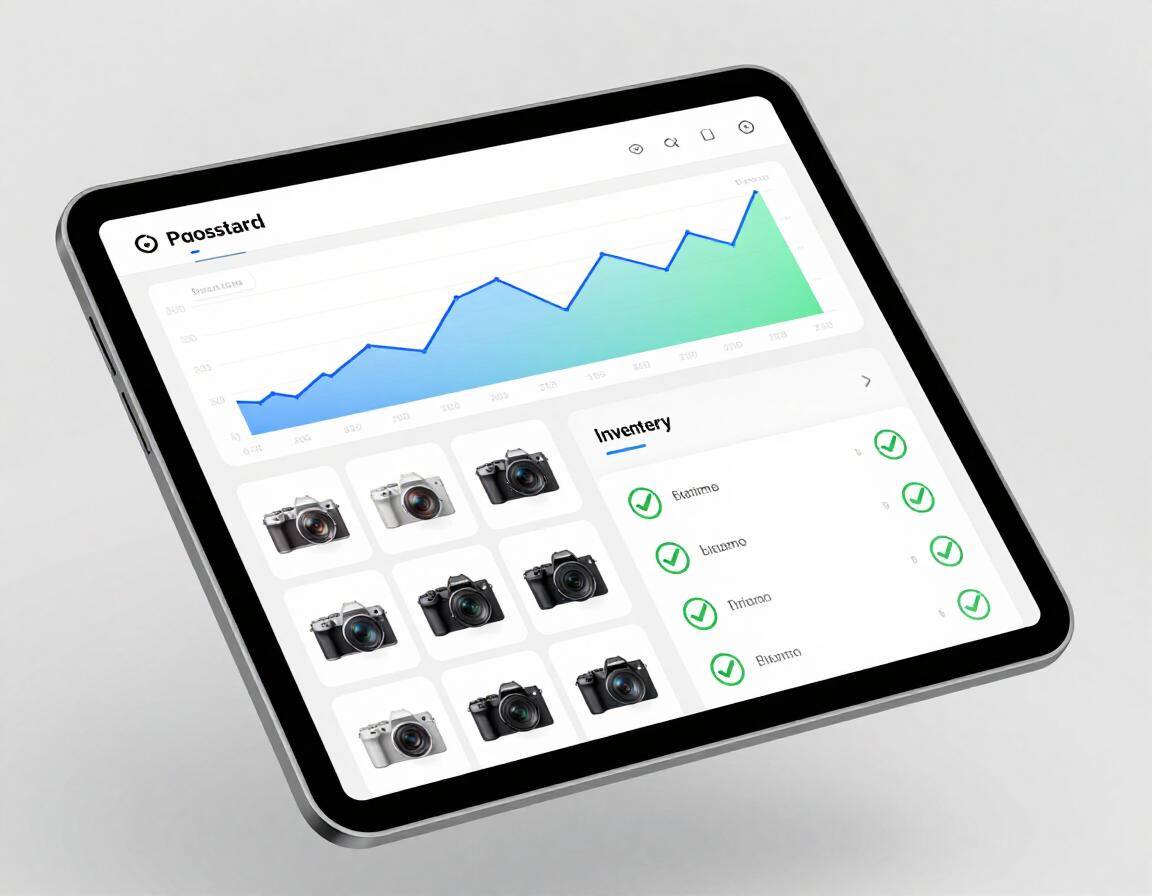
When payments are connected to inventory, the system automatically triggers stock adjustments the moment a transaction is cleared. This happens whether the customer is swiping a card at a Unified Point-of-Sale terminal or entering their details on your eCommerce Webstore . The result is a dramatic reduction in human error. You no longer have to worry about a staff member forgetting to mark a serialized item as sold, because the system does it for them.
Furthermore, integrated payments provide a better experience for the customer. Modern shoppers want options: Apple Pay, Google Pay, buy-now-pay-later, and secure online portals. By having these options unified under one platform, you offer a professional, high-trust environment that encourages repeat business. It also simplifies the refund and return process, which is often a major pain point in the photography world where high-ticket items are common.
Bridging the Gap Between Online Ordering and Lab Printing
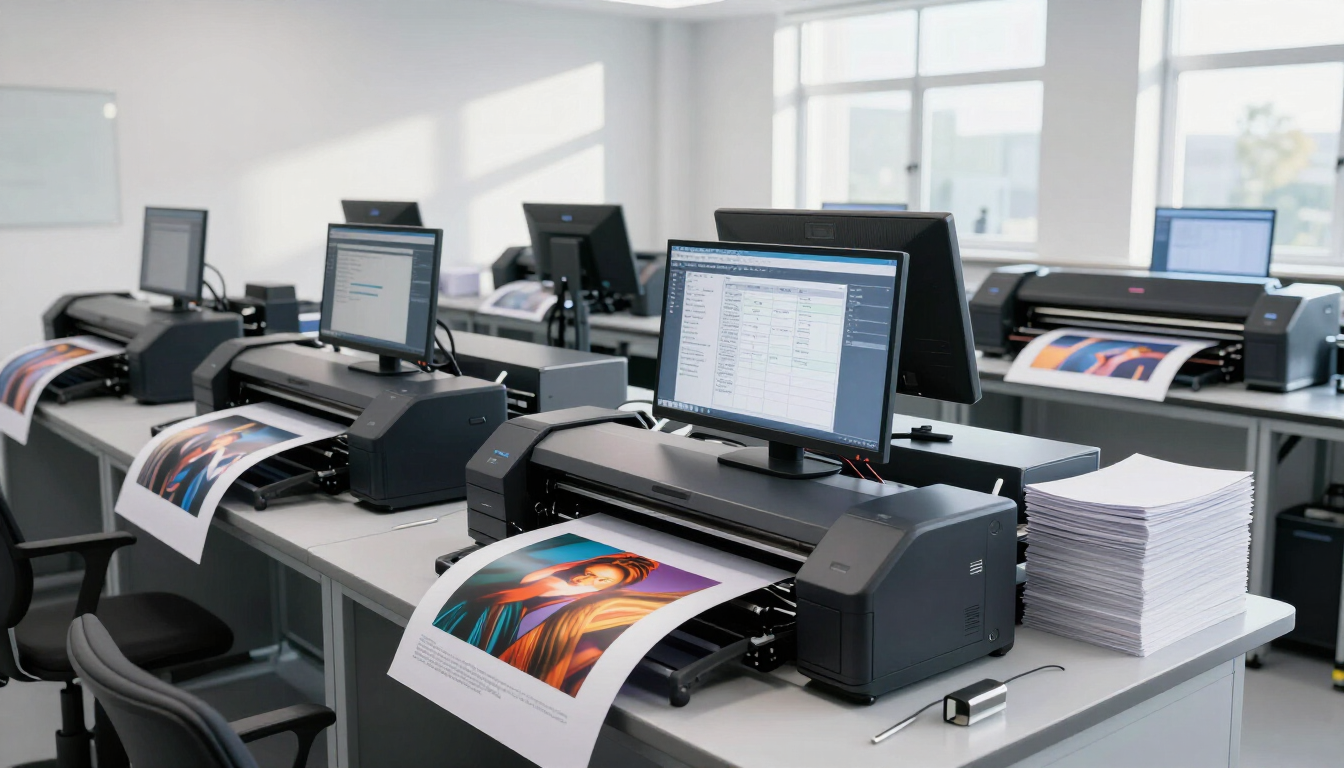
For many photo labs, the "commerce" side and the "printing" side feel like two different businesses. You have the shop where you sell cameras, and the lab in the back where the magic happens. A truly unified platform erases this divide. By integrating Online Photo Ordering Software directly into your retail ecosystem, you treat a print order with the same priority and visibility as a hardware sale.
When a customer uploads their wedding photos through your website or a Photo Kiosk Software station, the order should immediately appear in your Lab Printing Software queue. More importantly, the billing should be handled by the same system that manages your storefront. This allows for unified reporting—giving you a clear picture of whether your hardware sales or your print services are driving your growth this quarter.
This bridge also enables powerful cross-selling opportunities. If a customer orders a set of high-quality enlargements, your system can automatically suggest a relevant frame from your retail inventory or a discount on a new camera bag. Because the system knows what the customer is doing in the lab, it can provide personalized recommendations that feel helpful rather than intrusive. This is how you maximize the lifetime value of every customer who walks through your door or visits your URL.
What are the top benefits of a single-platform photo business?
The transition to a single-platform model offers long-term sustainability that fragmented systems simply can't match. As you look toward the future of your store, consider these specific advantages that help you stay competitive against big-box retailers and massive online marketplaces:
- Unrivaled Data Accuracy: Eliminate the risk of overselling or missing sales due to data delays.
- Reduced IT Complexity: Manage one vendor and one interface instead of juggling five different subscriptions and support teams.
- Scalability: Easily add new locations, kiosks, or web galleries as your business grows without rebuilding your infrastructure.
- Enhanced Customer Experience: Provide a consistent brand voice and service level across all digital and physical touchpoints.
- Better Financial Insights: Access comprehensive reports that combine web, store, and lab performance in one view.
By leveraging Managed Websites that are pre-integrated with these tools, you bypass the months of development time usually required to get these systems talking to each other. You get to launch faster and with more confidence. This speed-to-market is essential in the photography industry, where new gear releases and seasonal printing rushes require you to be ready at a moment's notice.
Optimizing Your Tech Stack for Sustainable Growth
Moving to a Unified Commerce Platform is more than a software upgrade; it is a strategic decision to put your customer at the center of everything you do. By removing the silos between your ecommerce-webstore , your physical storefront, and your photo lab, you create a frictionless environment that rewards loyalty and simplifies management. The photography community is built on passion and expertise—your technology should support that by getting out of the way and letting you do what you do best.
Whether you are a small boutique lab in Montreal or a large multi-store camera chain, the goal remains the same: provide the best gear and the best prints with the least amount of hassle. As you evaluate your current tools, ask yourself if they are helping you grow or holding you back with manual work. A unified approach ensures that your business is prepared for the demands of the modern photographer, today and in 2026.

Core Summary and Next Steps
To thrive in today’s market, camera stores and photo labs must move away from fragmented systems. A Unified Commerce Platform provides the necessary integration to sync inventory, payments, and photo services, ensuring a seamless experience for both the retailer and the customer. By centralizing your operations, you reduce errors, save time on administration, and provide a professional service that competes with the biggest players in the industry.
Key Takeaways:
- Integrate Everything: Connect your POS, webstore, and lab for a single source of truth.
- Focus on Data: Use synchronized inventory and managed product data to prevent sales loss.
- Simplify Payments: Use integrated solutions like dakisPay to reduce reconciliation time.
- Enhance Service: Bridge the gap between retail sales and Lab Printing Software for better workflow.
- Start Now: Evaluate your current tech stack and look for areas where silos are creating friction for your customers.
Recent Posts